
Have you ever walked into a room and immediately felt calm — even before you noticed why? That’s not coincidence; it’s biophilic psychology
Enter Biophilic Design 2.0 — a design movement that is more than décor; it’s therapy for your senses and nourishment for your soul.
This isn’t just about bringing plants into your home. It’s about creating spaces that speak calm, carry warmth, and reconnect you with the peace that nature naturally offers. It’s design that doesn’t just beautify your space — it transforms your state of being.
The Rebirth of Natural Living
The word biophilic comes from two Greek words: bio (life) and philia (love). In simple terms, it means love of life or living things. Biophilic design is, therefore, a way of designing that celebrates our innate love for nature.
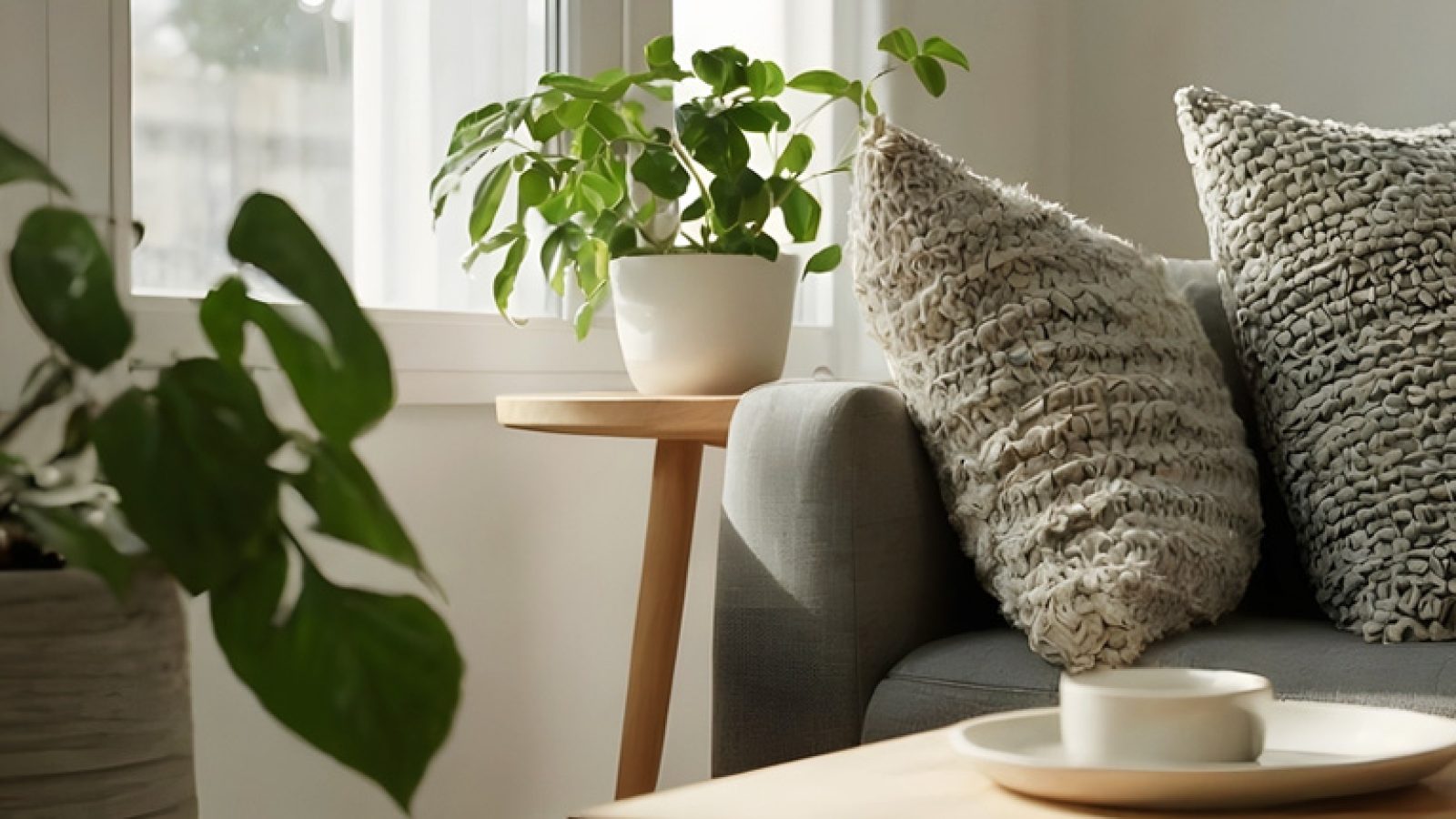
But Biophilic Design 2.0 goes further. It’s not just a potted plant on a shelf — it’s intentional, immersive, and sensory. Think open layouts that let air flow freely, warm natural light spilling through curtains, soft earthy tones that calm the mind, and organic materials that remind you of the outdoors.
It’s a return to what’s real.
Because in truth, a home should not only look beautiful; it should feel alive.
Image come in here
The Psychology of Peaceful Spaces
Have you ever walked into a room and immediately felt calm — even before you noticed why? That’s not coincidence; it’s biophilic psychology.
Research shows that natural elements in interior spaces can lower blood pressure, reduce stress hormones, and improve focus. The presence of greenery and organic textures can even trigger the same soothing effect as spending time outdoors.
Our brains are wired to find safety and restoration in nature. The sound of rustling leaves, the texture of wood, the sight of soft sunlight — all these elements remind us of balance and peace. When you bring nature indoors, you’re literally bringing harmony into your life.
Designing with Nature: How to Bring the Outdoors In
Let’s talk practical design — the real heart of Biophilic Design 2.0.
Here’s how you can start transforming your space, one natural touch at a time:
- Maximize Natural Light:
Use sheer curtains or wide blinds that allow sunlight to filter softly into your room. Natural light doesn’t just illuminate — it energizes and heals. - Add Living Elements:
Incorporate indoor plants or even a mini herb garden. Try peace lilies, snake plants, or bamboo palms — they clean the air and boost your mood. - Play with Natural Materials:
Swap plastics for textures like rattan, jute, bamboo, stone, or unfinished wood. These materials age gracefully and bring a sense of authenticity that synthetic décor can’t match. - Create Natural Flow:
Avoid overcrowding. Let air and movement circulate. Your home should breathe like you do. - Color Your Space with Calm:
Think olive greens, warm beige, clay, or sand. These tones ground the space, giving it depth and tranquility.
(At Cawos Global, we love how earthy-toned throw pillows, natural rattan lamps, or marble-textured wall panels instantly elevate any space while keeping it calm and luxurious.)
The Spiritual Dimension: Eden Restored
From the very beginning, God placed man in a garden — not a palace. That says something profound about His heart for peace, beauty, and simplicity.
Genesis 2:8–9 (KJV):
“And the Lord God planted a garden eastward in Eden; and there he put the man whom he had formed. And out of the ground made the Lord God to grow every tree that is pleasant to the sight, and good for food…”
God’s first design for humanity was biophilic. It was a space that nourished both the body and the spirit — a home where everything around reflected His creative order.
When you design your home to reflect natural harmony, you’re not just decorating; you’re aligning with divine design — one that restores, heals, and reminds you of God’s beauty in creation.
Romans 1:20 (KJV):
“For since the creation of the world His invisible attributes are clearly seen, being understood by the things that are made…”
Every leaf, beam of light, and grain of wood reveals something about God — His order, His creativity, His peace.
Lifestyle Impact: When Design Heals the Soul
Biophilic spaces have a quiet power — they don’t shout for attention, yet they change everything.
- You sleep better because natural light balances your rhythm.
- You focus better because clutter is replaced by calm.
- You feel happier because your environment feels human again.
- You connect more deeply with loved ones because your space encourages warmth and openness.
Your home becomes more than shelter — it becomes sanctuary.
And in a world that moves too fast, a sanctuary is no longer a luxury… it’s a necessity.
Conclusion: Where Design Meets Divinity
Biophilic Design 2.0 isn’t about following a trend — it’s about remembering what your soul already knows: that life feels better when it feels natural.
Your home should whisper peace, glow with warmth, and breathe inspiration. Let it carry the heartbeat of nature — the soft calm that turns ordinary moments into sacred ones.
So as you think of redesigning or refreshing your space, don’t just decorate — cultivate.
Let your walls, your light, and your décor tell a story of grace, rest, and renewal.
Because the truth is simple:
When nature enters your home, peace enters your heart.